Why fridges and washing machines are WEEE and the rules for disposing of them legally
Your options compared: retailer take-back, council recycling centres and a booked collection
How to book a compliant white-goods removal and keep the duty-of-care receipt
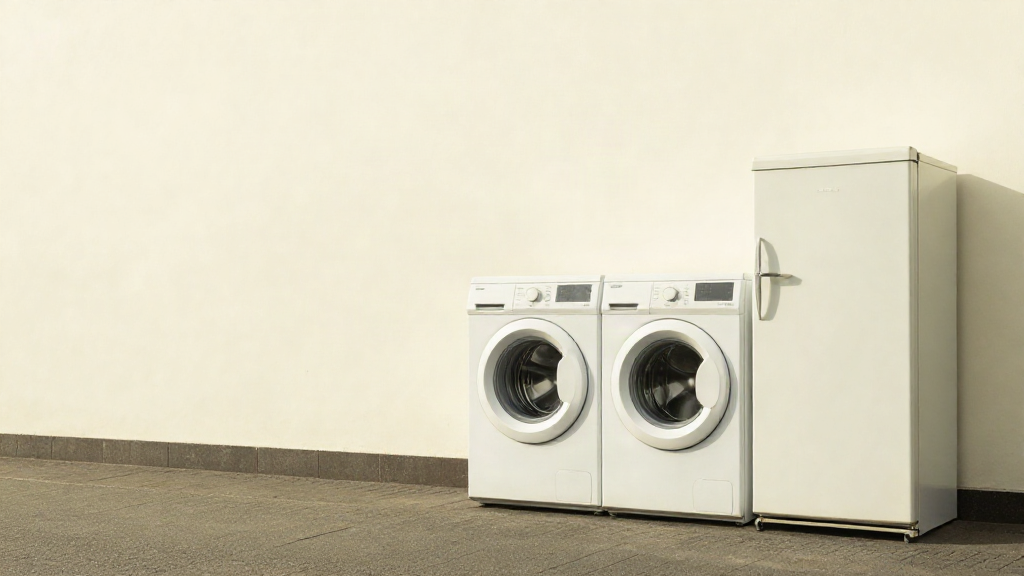
How to Dispose of a Washing Machine or Fridge in the UK: WEEE Rules Made Simple Replacing a washing machine or fridge is one of those jobs that sounds straightforward until the new one arrives and the old one is still sitting in your kitchen. You cannot put white goods out with the normal rubbish, you cannot leave them on the pavement, and you should never hand them to a stranger with a van who promises to deal with it for cash. Old washing machines and fridges are classed as Waste Electrical and Electronic Equipment (WEEE), and the law sets out exactly how they have to be disposed of. Get it right and the whole thing takes about ninety seconds to arrange. Get it wrong and you risk a fine, a fly-tipping investigation, or simply an appliance dumped at the end of your road. Here is the simple version. ## Why washing machines and fridges count as WEEE WEEE is any equipment that needs electricity or batteries to work. That includes the big white goods in your kitchen and utility room: washing machines, washer-dryers, tumble dryers, dishwashers, fridges, freezers and fridge-freezers. Because they are electrical, they cannot go in your household waste. They also contain materials and gases that make them a genuine hazard if they are broken up or left in the open. Fridges and freezers in particular hold refrigerant gases and insulation foam that must be captured and handled properly. Dumped in a field or crushed in a skip, those gases escape. The practical result is simple: white goods need a specific route to disposal, and you are responsible for choosing a legal one. ## What the law actually requires of you ### Your duty of care Under the UK's duty of care rules, anyone producing waste - including a householder clearing out a single appliance - must make sure it is only handed to someone authorised to take it. That means a licensed waste carrier, a retailer running a take-back scheme, or a local authority site. You are also expected to keep evidence of what happened to your waste. That evidence is a duty-of-care receipt or waste transfer note, and it is your proof that the appliance did not end up fly-tipped. ### Fly-tipping is not just the dumper's problem Households have been fined after their appliance was found dumped, even when they paid someone else to remove it. If you cannot show that you checked the carrier was licensed and that you kept a receipt, the waste can be traced back to you. A £500 fly-tipping penalty is not unusual, and the clean-up costs can land on the person who handed the waste over. That is the whole reason a paper trail matters. It is not bureaucracy for its own sake - it is your protection. ## Your three options compared ### 1. Retailer take-back Many retailers will take your old appliance away when they deliver the new one, usually for a small fee, and some do it free. It is convenient because it happens on the same day, but availability varies, you often have to book it at the point of purchase, and you may need to have the appliance disconnected and moved to the door yourself. If you want the new machine in and the old one out in a single visit, this is the simplest route. ### 2. Council recycling centres Your local household waste recycling centre will accept white goods free of charge. The catch is getting them there. A washing machine weighs around 70-80 kg, a fridge-freezer can weigh more, and neither fits comfortably in a family car. You will also need to check opening hours, whether you need to book a slot, and whether vans or trailers are restricted - many sites limit them. Council sites are a good option if you have the transport and the muscle. ### 3. A booked collection A booked collection is the route that fits around your life: someone comes to your address, collects the appliance from wherever it is, and takes it away to be reused or recycled. You do not need a van, a second pair of hands, or a slot at the tip. The one thing to check is that the collector is genuinely licensed. An EA-licensed waste carrier is registered with the Environment Agency, which means the waste is tracked from your door to a permitted facility, and you get documentation to prove it. | Option | Effort for you | Cost | Paper trail | | --- | --- | --- | --- | | Retailer take-back | Low, but tied to delivery day | Free to small fee | Usually yes | | Council recycling centre | High - you transport it | Free | Site record only | | Booked licensed collection | Very low - collected from your door | Fixed price, quoted upfront | Duty-of-care receipt | ## How to book a compliant white-goods removal Step 1: Check the carrier is licensed. Ask for the waste carrier licence number, or look the business up on the Environment Agency register. A licensed carrier will give you this without hesitating. Step 2: Get a fixed price before you book. You should know what you are paying before anyone turns up. Send a photo of the appliance and where it is sitting - driveway, kitchen, upstairs - and get a quote based on that. Step 3: Confirm what is included. Ask whether the price covers disconnection, carrying the appliance down stairs, and removal from inside the property. These are the extras that turn a cheap quote into an expensive day. Step 4: Get your duty-of-care receipt. Once the appliance is gone, you should receive a receipt recording the waste, the date, and the licensed carrier who took it. Keep it. It is the document that proves you disposed of your washing machine legally. Step 5: Ask where it goes. The best outcome is reuse or proper recycling, not landfill. A carrier that can tell you where the appliance ends up is a carrier worth using. ## The bottom line Disposing of a washing machine or fridge legally comes down to three things: use a licensed route, know the price before you book, and keep the receipt. Retailer take-back and council sites both work if you have the time and the transport. If you want it gone without the lifting, a booked collection from an EA-licensed carrier does the whole job and leaves you with the paperwork to prove it was done properly. Snap a photo, get a fixed quote, and book a licensed removal - the appliance is gone, and your duty of care is documented.