How to Dispose of Paint and Hazardous Waste in the UK
Which household items count as hazardous waste and why they cannot go in a skip The legal routes: council household waste sites, retailer take-back and licensed collection How to book a compliant pickup and keep the duty-of-care paperwork
By Binshare Team
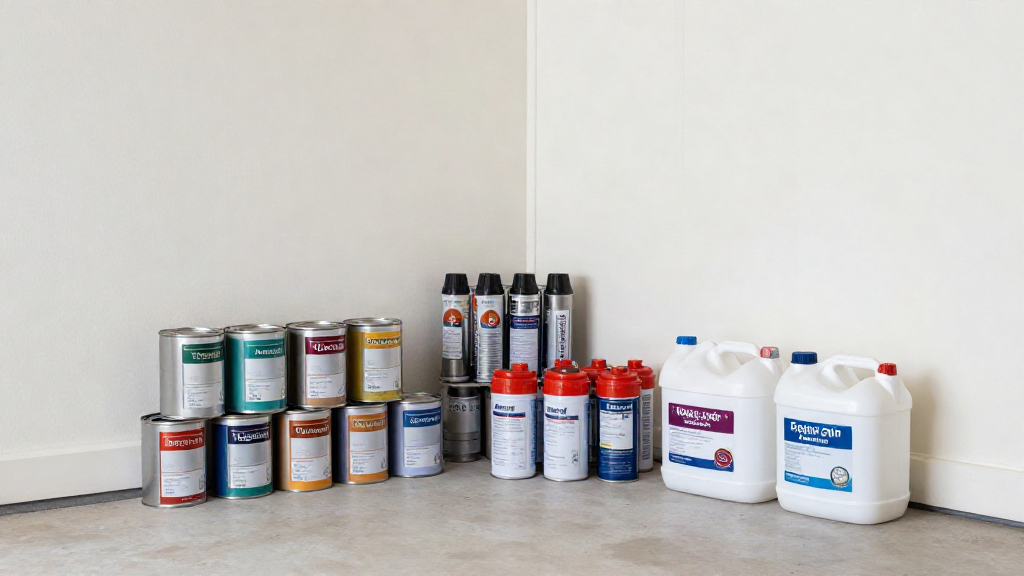
Most of us treat bin day as simple: wheel it out, done. Hazardous waste is different. Paint, chemicals, aerosols and anything carrying a hazard symbol cannot go in your kerbside bin, and they cannot go in a skip either - not even a half-full tin of leftover gloss. Get it wrong and you risk a rejected load, a fine, or the waste being traced back to your address as flytipping.
This guide covers what counts as hazardous household waste, why it is banned from skips and bins, the legal routes for getting rid of it in the UK, and how to book a compliant collection that leaves you with the paperwork to prove you did it properly.
What Counts as Hazardous Household Waste?
Household waste is classed as hazardous when it contains substances that are harmful to people or the environment. You do not need to read the small print to spot most of it - the hazard symbols on the label are the giveaway.
- Paint and paint tins, including leftover emulsion, gloss, varnish and wood stain
- Solvents and thinners such as white spirit and brush cleaner
- Aerosols, including spray paint and air fresheners
- Garden chemicals: weedkiller, pesticides, insecticides and fertiliser
- Household cleaners marked corrosive or toxic
- Car care products: antifreeze, brake fluid, engine oil and car batteries
- Electrical items and anything with a lithium battery, which can catch fire in a lorry
An empty tin with the lid off and no residue usually counts as ordinary waste or scrap metal, but a tin that still sloshes is hazardous. If in doubt, treat it as hazardous - that is always the safer call.
Why Paint and Chemicals Can't Go in a Skip
Skips are licensed to carry non-hazardous waste, and the site that processes them is not permitted to accept liquids, chemicals or anything with a hazard label. If hazardous material turns up in a skip, the whole load can be rejected or quarantined - and you may be the one answering questions, because waste is tracked back through the carrier's duty-of-care receipts.
Pouring paint down the drain or dropping it in the bin is worse. Liquids set hard in drains, chemicals pass straight into the water system, and a bin contaminated with paint can get a collection round refused. It is also illegal.
The Legal Routes for Disposing of Paint in the UK
There are three legitimate options, and the right one depends on how much you have, what it is and how quickly you need it gone.
Council Household Waste and Recycling Centres
Most councils accept paint, aerosols and some chemicals at household waste and recycling centres, usually free for residents. Check your council's site before you load the car: not every tip takes liquids, many cap how much you can bring, and some ask you to book a slot in advance. Business waste is normally refused at household sites, so a tradesperson cannot tip there.
Retailer and Manufacturer Take-Back Schemes
Community RePaint and similar schemes take usable leftover paint and pass it on to families, charities and community projects. DIY retailers run seasonal paint take-back points, often in January, and some local shops accept a couple of tins for reuse. Take-back is a good home for a part-used tin, but it does not solve a garage full of hardened, unsellable cans.
Licensed Waste Carriers and Collection Services
When you have a lot of items, mixed waste, or no time to queue at the tip, a licensed carrier will collect from your door. The key word is licensed: a genuine carrier holds an environmental permit, is registered with the Environment Agency as a waste carrier, and gives you a duty-of-care note for everything they take.
How to Book a Compliant Hazardous Waste Pickup
- Photograph the items. A clear photo of your paint tins, aerosols or chemicals lets a carrier price the job accurately and confirm they can take it.
- Say what it is. Flag anything with a hazard symbol up front so the right vehicle and licence turn up.
- Compare fixed quotes. You should see a price before anything is booked, with no surprise extras for stairs, weight or access.
- Confirm the licence. Ask for the carrier's registration details and check them against the Environment Agency register.
- Book a slot - then get the receipt. The duty-of-care receipt is your proof the waste was handled legally, so keep it safe.
How Binshare Handles Hazardous Waste
Binshare is a UK waste marketplace that connects households and businesses with verified, EA-licensed carriers. Snap a photo of what needs to go, get fixed quotes from local licensed carriers, and book a collection - typically in about ninety seconds. Every job comes with a duty-of-care receipt, and carriers are backed by the £500 Flytipping Guarantee, so your paint and chemicals are removed legally and documented from pickup to disposal.
Keep Your Duty-of-Care Paperwork
Under the UK's duty of care rules, you stay responsible for making sure your waste is handled correctly, even after it leaves your home. That means using a registered carrier and keeping the paperwork. Store the receipt or waste transfer note with your other household or business records - if a load is ever traced back to you, that document is what shows you did the right thing.
Frequently Asked Questions
Can you put paint in a skip?
No. Paint is hazardous waste and skips are licensed for non-hazardous material only. Putting paint in a skip can get the whole load rejected and leave you liable.
Does the council take paint?
Many council household waste sites accept paint and aerosols from residents, often free or for a small charge. Check your local site for booking rules and quantity limits.
How much does paint disposal cost?
Council tips are often free for residents. Licensed carriers charge per load or per item and should give you a fixed quote before you book - no surprises on the day.
The Bottom Line
Getting rid of paint and hazardous household waste is not difficult once you know the rules - it just has to leave your home through a legal route. Tip it, take it back, or book a licensed carrier, and keep the receipt either way. Do that and your waste is gone, your paperwork is clean, and there is nothing left to worry about.