Reuse vs Recycle vs Dispose: The Greenest Way to Declutter
The real difference between reusing, recycling and disposing of an item Which household items suit each route and why How a licensed collection keeps the whole process compliant and documented
By Binshare Team
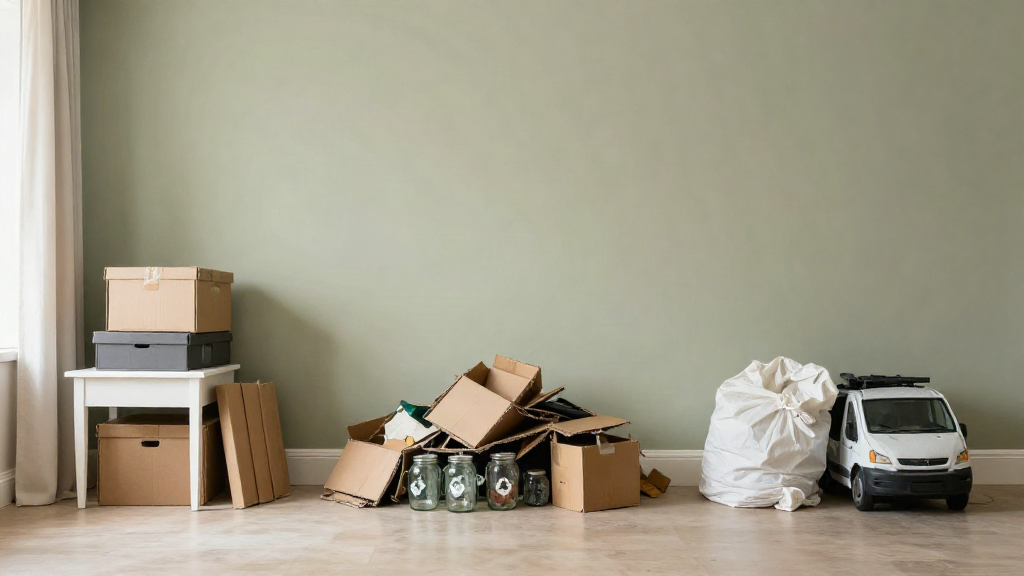
Most of us clear clutter with the best of intentions. We sort a pile into bags, feel briefly virtuous, and then face the same question every time: should this be reused, recycled or simply thrown away? The honest answer is that there is no single greenest option. The right route depends on the item, its condition and where it will realistically end up.
That is where the reuse vs recycle debate gets murky. Both sound like good choices, and both usually are, but they are not interchangeable. One keeps a product alive; the other breaks it down into raw material. Understanding the difference - and knowing when disposal is the only safe option - turns a guilty guess into a clear decision.
What reuse actually means
Reuse means an item stays useful in its current form. Someone else wears the coat, sits on the sofa, or works at the desk. Nothing is shredded, melted or reprocessed, which is why reuse almost always has the smallest footprint of the three routes. The energy, water and materials already invested in that item carry on doing their job instead of being thrown away and replaced from scratch.
Reuse is not just charity-shop donations. It covers selling, gifting, freecycling, passing items to neighbours, and having a licensed carrier collect goods and flag them for a second home. The key test is simple: can someone else genuinely use this as it is?
What recycling actually means
Recycling breaks an item down so its material can become something new. Cardboard becomes more cardboard, glass becomes new glass, metal becomes fresh metal. It is a strong outcome for materials that are hard to reuse - packaging, worn-out textiles, broken-down metal goods - but it is not magic. Contamination ruins whole loads, mixed materials are hard to separate, and the process still uses energy.
Recycling is the better choice when an item has truly reached the end of its useful life, or when its material is easy to recover in bulk. A flattened cardboard box is a recycling win. A perfectly good armchair is not.
Reuse vs recycle vs dispose: a quick way to decide
Run any item through three questions and the answer usually appears fast.
First, can someone else use this as it is? If yes, reuse it. Furniture, working appliances, garden tools, bikes, books and good-quality clothing all belong here. Second, if not, is it made of a material that is easy to recover? Clean cardboard, glass, metal and rigid plastics can go to recycling. Third, if it is neither reusable nor easily recyclable - or it is bulky, hazardous, or mixed - it needs a proper disposal route through a licensed service.
The order matters. Reusing first extends an item's life. Recycling second captures the material once reuse is exhausted. Disposal last is not a failure; it is the correct answer for anything that cannot safely do either.
Which household items suit each route
Here is how common clutter tends to split.
Reuse: sofas and chairs in good condition, working white goods, tables, wardrobes, bikes, lawnmowers, tools, books, puzzles, children's toys and wearable clothing.
Recycle: flattened cardboard, glass bottles and jars, clean metal, rigid plastic containers, and worn textiles that are past wearing.
Dispose: broken or soiled furniture, mattresses, damaged electronics, treated timber, garden waste in bulk, and anything mixed or contaminated that no kerbside scheme will take.
Why the disposal route needs to be compliant
The one thing that undermines a green decision is an illegal one. Waste that leaves your home is still your responsibility under duty of care rules. If it is fly-tipped by an unlicensed operator, you can be held liable - even if you paid someone to take it away in good faith.
This is where a licensed collection protects you. When a verified, EA-licensed carrier collects your items, you get the paperwork that proves where your waste went and how it was handled. Reuse is flagged first so genuinely usable goods get a second life, recycling captures the rest of the recoverable material, and the remainder is disposed of legally and traceably.
Getting the full house or office cleared the right way
For a single item, the three-question test is enough. For a full house, garden or office clearance, the volume makes the decision harder - and the compliance risk higher. You are not sorting one box; you are sorting a whole property, often under time pressure, with a mix of reusable, recyclable and non-recyclable goods.
That is exactly the job a waste marketplace is built for. Snap a photo of what needs to go, receive fixed quotes from licensed local carriers, and book a collection in about ninety seconds. The carrier handles the sorting, routes reusable items onward wherever possible, and leaves you with a compliant duty-of-care receipt.
The bottom line
Reuse beats recycle, and recycle beats disposal - but only when each route fits the item in front of you. Ask whether someone else can use it, whether its material can be recovered, and only then whether it needs to go. Get that order right and clearing your clutter stops being a guess and becomes a decision you can stand behind.
Whatever you are clearing, Binshare connects you with EA-licensed carriers who reuse first, recycle where they can, and document every step. Reuse. Remove. Clear.